
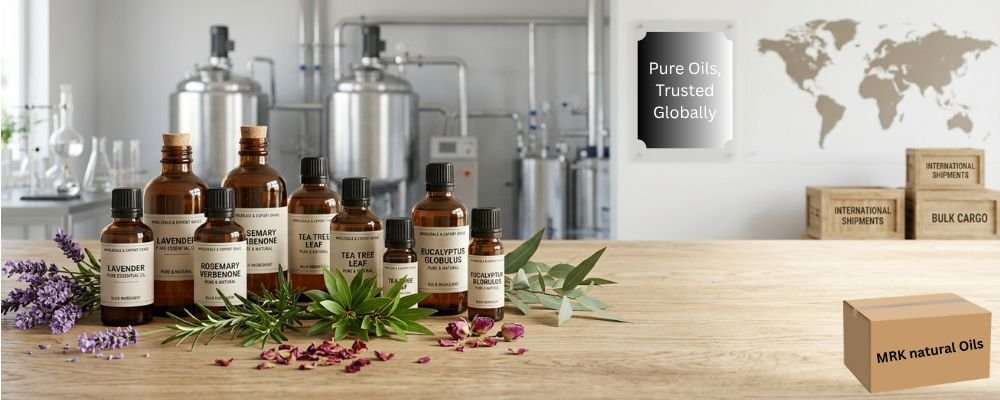
The global beauty industry is changing rapidly. Consumers today are reading ingredient labels more carefully than ever before. They are searching for products that feel natural, transparent, and safe for long-term use. This shift has pushed cosmetic brands toward plant-based ingredients, and essential oils have become one of the most valuable raw materials in modern skincare, haircare, aromatherapy, and wellness formulations.
From luxury facial serums to scalp treatments and spa products, essential oils are now deeply integrated into cosmetic manufacturing. In the United States alone, the essential oils market is projected to cross USD 21 billion by 2033, driven largely by growing demand in personal care, wellness, and clean beauty sectors. –grandviewresearch
But sourcing essential oils in bulk is not as simple as comparing prices online.
For cosmetic brands, choosing the right supplier can directly affect product quality, customer trust, regulatory compliance, and long-term brand reputation. A poor-quality oil may lead to unstable formulations, inconsistent fragrance profiles, skin sensitivity issues, or failed product testing.
This guide explains what cosmetic brands should truly look for when purchasing bulk essential oils — beyond marketing claims and attractive packaging.
Why Essential Oils Matter in Cosmetic Manufacturing
Essential oils are more than just fragrance ingredients. In modern cosmetic formulations, they often serve multiple functional purposes.
Depending on the oil, they may provide:
- Natural aroma enhancement
- Antioxidant properties
- Antimicrobial support
- Soothing or calming effects
- Scalp and hair nourishment
- Skin-conditioning benefits
- Product differentiation for premium positioning
Today’s consumers associate essential oils with wellness, luxury, and authenticity. Oils like Lavender, Tea Tree, Rosemary, Frankincense, and Peppermint have become especially popular in skincare and haircare products because they align with the growing “clean beauty” movement in the US market.
For brands, this creates both opportunity and responsibility.
Using authentic, well-tested oils can elevate product quality significantly. Using poorly sourced oils can damage customer confidence almost instantly.
Start With Purity — Not Price
One of the biggest mistakes new cosmetic brands make is purchasing oils based purely on cost.
Bulk pricing matters, but purity matters far more.
The essential oils industry still faces challenges with adulteration. Some suppliers dilute oils with synthetic compounds, carrier oils, or cheaper botanical extracts to reduce manufacturing costs. On paper, the pricing may look attractive. In actual formulations, however, these oils often perform poorly.
A cosmetic product made with impure oils may develop:
- Unstable fragrance profiles
- Skin irritation issues
- Oxidation problems
- Shorter shelf life
- Inconsistent texture
- Product recalls or complaints
Professional cosmetic manufacturers usually request detailed documentation before approving a supplier.
Documents Every Cosmetic Brand Should Request
Before purchasing bulk essential oils, brands should always ask suppliers for technical and compliance documents.
These usually include:
1. GC/MS Report
This is one of the most important documents in essential oil sourcing.
Gas Chromatography/Mass Spectrometry testing verifies the chemical composition of the oil and helps identify adulteration or contamination.
2. COA (Certificate of Analysis)
This document confirms:
- Batch quality
- Appearance
- Odor profile
- Density
- Refractive index
- Purity specifications
3. MSDS / SDS
Safety documents are essential for international shipping, warehousing, and formulation compliance.
4. IFRA Compliance Information
If the oil will be used in fragrance-based products, brands should ensure compliance with IFRA standards.
5. Organic Certifications (If Applicable)
For premium cosmetic positioning, certifications like USDA Organic or ECOCERT can increase customer trust significantly.
Understand the Difference Between Pure and “Natural”
In the cosmetic industry, the word “natural” is often misunderstood.
An oil labeled “natural fragrance” is not always a pure essential oil.
Some fragrance blends contain:
- Synthetic aroma chemicals
- Artificial enhancers
- Diluted botanical extracts
- Solvents
This is why ingredient transparency has become extremely important in the US market. Consumers increasingly expect brands to disclose sourcing practices and ingredient authenticity. -grand view research
For cosmetic brands building long-term credibility, authenticity matters more than marketing language.
The Importance of Consistent Supply
Many growing cosmetic brands focus heavily on product development but underestimate supply chain stability.
Consistency becomes critical once a product begins scaling.
Imagine developing a successful hair serum using Rosemary Essential Oil, only to discover six months later that your supplier cannot maintain the same aroma profile or chemical consistency.
This creates formulation challenges and customer dissatisfaction.
Reliable wholesale suppliers usually offer:
- Stable batch consistency
- Long-term production capacity
- Export experience
- Proper storage systems
- Traceability documentation
- Sustainable sourcing practices
For brands targeting international markets, consistency often matters just as much as pricing.
Storage Conditions Matter More Than Most Buyers Realize
Essential oils are highly sensitive botanical extracts.
Poor storage conditions can degrade oil quality quickly.
Heat, sunlight, oxygen exposure, and moisture can alter:
- Aroma
- Color
- Chemical composition
- Performance in formulations
Professional suppliers typically store oils in:
- Food-grade aluminum containers
- Amber glass packaging
- Temperature-controlled facilities
- Low-light environments
Cosmetic brands should also review packaging standards before importing oils internationally.
Choosing the Right Essential Oils for Cosmetic Products
Not every oil works equally well in every formulation.
Successful cosmetic brands usually choose oils based on:
- Product purpose
- Target audience
- Stability
- Aroma profile
- Regulatory acceptance
- Consumer trends
Here are some of the most in-demand essential oils in the cosmetic sector today:
| Essential Oil | Common Cosmetic Applications |
|---|---|
| Lavender Oil | Sleep products, calming skincare, spa formulations |
| Rosemary Oil | Hair growth oils, scalp treatments |
| Tea Tree Oil | Acne care, scalp cleansing products |
| Frankincense Oil | Anti-aging skincare |
| Peppermint Oil | Cooling products, scalp care |
| Lemon Oil | Brightening products, fresh fragrance |
| Eucalyptus Oil | Wellness and spa products |
Rosemary and Peppermint oils are particularly trending in haircare due to growing consumer interest in scalp health and natural hair growth solutions.
Sustainability Is Becoming a Buying Requirement
Sustainability is no longer just a marketing angle.
Large cosmetic brands and private label manufacturers increasingly evaluate:
- Ethical farming practices
- Sustainable harvesting
- Fair trade sourcing
- Environmental impact
- Traceability systems
Modern consumers want to know where ingredients come from and how they are produced.
According to industry reports, sustainable and traceable sourcing is becoming one of the strongest purchasing factors in the US essential oils market. -grand view research
Brands that prioritize responsible sourcing often build stronger long-term customer loyalty.
Red Flags to Watch When Buying Bulk Essential Oils
Experienced buyers usually avoid suppliers who:
- Cannot provide testing documents
- Offer unrealistically low pricing
- Refuse batch traceability
- Avoid discussing sourcing origin
- Lack export experience
- Cannot maintain consistent stock
- Provide vague ingredient details
Transparency is often a strong indicator of supplier reliability.
If a supplier hesitates to share technical documentation, cosmetic brands should proceed carefully.
Questions Cosmetic Brands Should Ask Suppliers
Before finalizing a wholesale partnership, brands should ask:
- Can you provide recent GC/MS reports?
- Is the oil single-origin or blended?
- What extraction method is used?
- Are the oils suitable for cosmetic applications?
- Can you maintain long-term supply consistency?
- What packaging options are available?
- Do you support private labeling?
- What certifications do you hold?
- How are oils stored before export?
- Can you provide samples from the current batch?
These questions help avoid costly sourcing mistakes later.
Why Long-Term Supplier Relationships Matter
The most successful cosmetic brands rarely switch suppliers frequently.
Long-term partnerships usually create:
- Better pricing stability
- Faster production timelines
- Improved batch consistency
- Better customization support
- Stronger quality assurance
A supplier who understands your formulation standards becomes a strategic manufacturing partner rather than just a raw material vendor.
For growing beauty brands, this relationship can become a major competitive advantage.
The Future of Essential Oils in Cosmetics
The demand for essential oils in cosmetics is expected to continue growing strongly over the next decade.
Several trends are driving this growth:
- Clean beauty movement
- Natural wellness products
- Aromatherapy integration
- Premium skincare formulations
- Sustainable ingredient sourcing
- Plant-based haircare
Consumers are no longer purchasing products based only on packaging. They are researching ingredients, sourcing methods, and formulation transparency before making buying decisions.
For cosmetic brands, this creates an important opportunity.
Brands that combine high-quality formulations with authentic ingredient sourcing will likely gain stronger customer trust in the years ahead.



15 Comments