
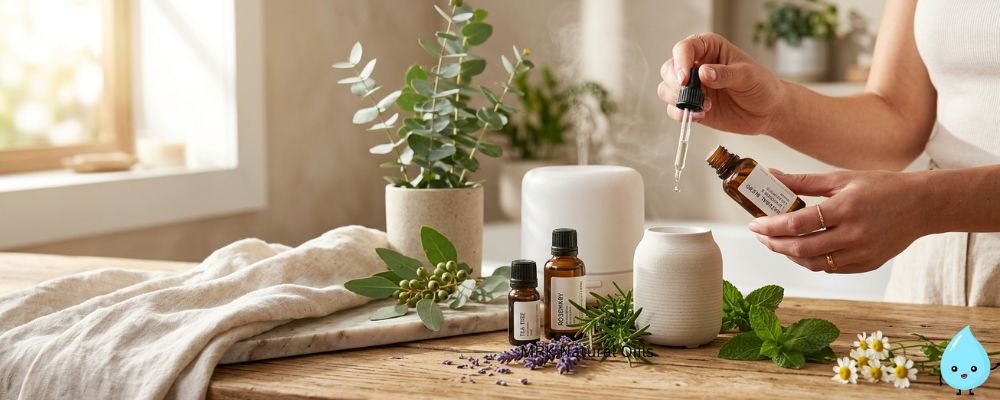
Modern lifestyles have changed dramatically over the past decade. Long working hours, screen fatigue, pollution, stress, irregular sleep, and increasing awareness about synthetic chemicals have encouraged people to rethink the products they use every day. From skincare and haircare to wellness and home aromatherapy, consumers are now actively searching for natural alternatives that feel safer, cleaner, and more connected to nature.
This shift has played a major role in the growing popularity of natural essential oils.
Today, essential oils are no longer limited to spas or luxury wellness centers. They have become part of everyday routines for millions of people across the world. Consumers are adding essential oils to hair oils, skincare products, diffusers, massage blends, candles, soaps, and even home wellness rituals.
More importantly, people are becoming increasingly conscious about product purity.
Consumers now prefer products made with authentic botanical ingredients instead of heavily synthetic formulations. As a result, the demand for pure and natural essential oils has increased significantly in the United States and global wellness markets.
According to industry research, the global essential oils market continues to grow rapidly due to increasing demand in aromatherapy, personal care, cosmetics, wellness products, and natural fragrances. (grandviewresearch.com)
But why exactly are people switching toward natural essential oils?
The answer goes beyond trends.
A Growing Shift Toward Natural Wellness
People today are paying closer attention to what they apply to their skin, hair, and body.
The modern consumer is more informed than ever before. Ingredient labels are carefully checked, and buyers often research products online before purchasing them. Many consumers are now avoiding products that contain harsh synthetic chemicals, artificial fragrances, or unnecessary additives.
This growing awareness has increased interest in:
- Plant-based wellness products
- Natural skincare
- Clean beauty
- Aromatherapy
- Herbal self-care routines
- Organic cosmetic ingredients
Natural essential oils fit perfectly within this lifestyle movement because they are derived directly from botanical sources such as flowers, leaves, roots, bark, seeds, and herbs.
Unlike synthetic fragrance oils, pure essential oils are highly concentrated plant extracts obtained through methods like steam distillation or cold pressing.

Their natural aroma and versatile applications make them popular across multiple industries.
Why Essential Oils Have Become Part of Daily Life
One of the biggest reasons behind the popularity of essential oils is their versatility.
People use essential oils in many different ways throughout the day.
Some use Lavender Oil in diffusers during nighttime routines. Others add Rosemary Oil to scalp care products or Tea Tree Oil to skincare formulations. Peppermint and Eucalyptus oils are commonly used in wellness and spa environments because of their refreshing aroma profiles.
For many consumers, essential oils have become associated with:
- Relaxation
- Self-care
- Aromatherapy
- Wellness routines
- Hair nourishment
- Skincare rituals
- Home fragrance solutions
In today’s fast-moving world, people are constantly looking for simple ways to create moments of calm and comfort. Aromatic essential oils help support those experiences naturally.
The Rising Demand for Clean Beauty Products
The beauty and personal care industry is undergoing a major transformation.
Consumers are increasingly choosing products that contain recognizable and naturally derived ingredients. This movement, often referred to as “clean beauty,” has significantly increased the use of essential oils in cosmetic manufacturing.
Many skincare and haircare brands now formulate products using:
- Lavender Essential Oil
- Rosemary Essential Oil
- Tea Tree Oil
- Frankincense Oil
- Lemon Oil
- Geranium Oil
- Peppermint Oil
These oils are widely used in:
- Facial serums
- Hair oils
- Shampoos
- Body lotions
- Soaps
- Bath products
- Massage oils
- Spa formulations
According to market research, consumer preference for natural and plant-based ingredients continues to drive growth in the personal care sector. (grandviewresearch.com)
This growing demand has encouraged cosmetic brands and wellness companies to source high-quality essential oils from reliable suppliers worldwide.
Understanding the Difference Between Pure and Synthetic Oils
As the market grows, consumers are also becoming more careful about quality.
Not every product labeled as “natural” is truly pure.
Some oils available in the market may contain:
- Synthetic fragrance compounds
- Diluted carrier oils
- Artificial aroma enhancers
- Chemical additives
This is why authenticity and testing have become extremely important in the essential oils industry.
Pure essential oils are generally produced from carefully selected botanical materials without unnecessary additives. High-quality oils often require a large quantity of plant material, which naturally increases production costs.
For example:
- Large quantities of flowers may be required to produce small amounts of Rose Oil
- Sandalwood Oil production depends on carefully sourced raw materials
- Certain botanical crops are seasonal and limited in availability
This is one reason why genuine essential oils are often more expensive than synthetic alternatives.
Why Quality Matters More Than Ever
Consumers today are not just buying fragrance.
They are buying trust, transparency, and product quality.
High-quality essential oils are usually supported by proper documentation and testing standards such as:
- GC/MS Reports
- Certificate of Analysis (COA)
- IFRA compliance
- Organic certifications
- Batch traceability
Professional manufacturers and exporters increasingly focus on maintaining:
- Purity standards
- Sustainable sourcing
- Proper storage systems
- Consistent aroma profiles
- International export quality
For cosmetic brands and wellness companies, sourcing quality oils has become essential for maintaining customer confidence.
Aromatherapy Continues to Grow Worldwide
Another major factor behind the popularity of essential oils is the rapid growth of aromatherapy.
Aromatherapy has expanded far beyond spa treatments.
Today, consumers use diffusers and aromatic oils in:
- Homes
- Offices
- Yoga studios
- Wellness centers
- Hotels
- Meditation spaces
- Luxury spas
The emotional connection created by natural aromas plays an important role in consumer experience. Many people now associate specific essential oils with relaxation, comfort, focus, freshness, or wellness routines.
This emotional connection is one reason why essential oils continue gaining popularity across multiple industries.
Sustainability Is Influencing Consumer Choices
Modern consumers are also becoming more environmentally conscious.
People increasingly prefer products that are:
- Sustainably sourced
- Ethically produced
- Plant-based
- Environmentally responsible
This has encouraged many essential oil manufacturers and exporters to improve:
- Farming practices
- Traceability systems
- Sustainable harvesting methods
- Eco-friendly packaging
Brands that prioritize responsible sourcing often build stronger long-term relationships with customers.
Essential Oils in Modern Cosmetic Manufacturing
Essential oils are now widely used by:
- Cosmetic manufacturers
- Skincare brands
- Haircare companies
- Soap makers
- Candle brands
- Aromatherapy businesses
- Wellness startups
- Spa product manufacturers
Their popularity continues growing because they help brands create products that feel more natural, premium, and wellness-focused.
As consumer demand evolves, essential oils are becoming an important part of product innovation across the beauty and wellness industry.
How to Choose High-Quality Essential Oils
Whether for personal use or cosmetic manufacturing, quality should always remain the top priority.
When purchasing essential oils, buyers should look for:
- Purity testing reports
- Transparent sourcing information
- Proper packaging standards
- Supplier reputation
- Batch consistency
- Export quality certifications
It is also important to avoid suppliers offering unrealistically cheap oils without proper documentation.
In many cases, extremely low prices may indicate diluted or synthetic products.
The Future of Natural Essential Oils
The demand for natural essential oils is expected to continue growing in the coming years.
Several global trends are supporting this growth:
- Clean beauty movement
- Wellness-focused lifestyles
- Natural home fragrance products
- Aromatherapy adoption
- Organic personal care
- Sustainable ingredient sourcing
Consumers are increasingly choosing products that align with healthier and more mindful lifestyles.
As awareness continues growing, natural essential oils are likely to remain an important part of the global wellness and cosmetic industry.
FAQs
Why are people switching to natural essential oils?
Consumers are increasingly choosing natural products for wellness, skincare, haircare, aromatherapy, and clean beauty routines. Essential oils fit well within these lifestyle trends because they are plant-derived and versatile.
Are pure essential oils better than synthetic fragrance oils?
Pure essential oils are derived from natural botanical sources, while synthetic fragrance oils are artificially created. Many consumers prefer pure oils for their authenticity and natural aroma profiles.
Why are high-quality essential oils expensive?
Producing pure essential oils often requires large amounts of plant material and careful extraction methods. Seasonal availability, farming practices, and purity testing also influence pricing.
What industries use essential oils today?
Essential oils are widely used in cosmetics, skincare, haircare, soaps, candles, spa products, aromatherapy, wellness products, and home fragrance applications.
How can buyers identify pure essential oils?
Buyers should look for suppliers who provide:
- GC/MS testing reports
- Certificate of Analysis (COA)
- Transparent sourcing details
- Proper labeling
- Batch traceability
Which essential oils are most popular in wellness products?
Lavender, Rosemary, Tea Tree, Peppermint, Eucalyptus, Frankincense, and Lemon oils are among the most widely used essential oils in wellness and cosmetic products today.
Are essential oils used in cosmetic manufacturing?
Yes. Essential oils are commonly used in skincare, haircare, soaps, shampoos, lotions, massage oils, and spa formulations because of their natural aroma and plant-based appeal.
7 Comments