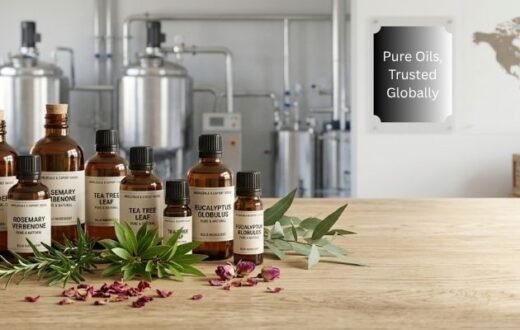

The demand for natural essential oils has increased rapidly over the past few years. Consumers today are becoming more conscious about the ingredients used in skincare, haircare, aromatherapy, wellness, and personal care products. As a result, essential oils have become one of the most valuable botanical ingredients across global beauty and wellness industries.
However, as demand continues growing, the market has also become crowded with low-quality, diluted, and synthetic products.
For buyers, cosmetic brands, wellness companies, and aromatherapy businesses, understanding how to identify high-quality essential oils has become more important than ever.
A pure essential oil should offer authenticity, consistency, proper sourcing, and reliable testing standards. Without these factors, product quality and customer trust can quickly suffer.
Today, modern consumers are not just buying fragrance. They are looking for:
- Ingredient transparency
- Natural sourcing
- Clean beauty standards
- Authentic botanical products
- Reliable wellness ingredients
This growing awareness has also increased the importance of purity, traceability, and quality verification within the essential oils industry.
Why Essential Oil Quality Matters
Not all essential oils available in the market are truly pure.
Some products may contain:
- Synthetic fragrance compounds
- Diluted carrier oils
- Artificial aroma chemicals
- Low-grade botanical extracts
- Chemical additives
Low-quality oils often fail to provide consistency in aroma, formulation performance, and overall product experience.
For cosmetic manufacturers and wellness brands, poor-quality oils can lead to:
- Inconsistent product batches
- Weak fragrance profiles
- Reduced customer trust
- Shorter shelf life
- Product formulation challenges
This is why quality evaluation is essential before purchasing natural essential oils in bulk or for personal use.
How to Judge the Top Quality of Natural Essential Oils
1. Check for Purity Testing Reports
One of the most important signs of high-quality essential oils is proper testing documentation.
Professional suppliers usually provide:
- GC/MS Reports
- Certificate of Analysis (COA)
- Batch traceability documents
GC/MS testing helps verify the chemical composition and purity of the oil while identifying possible adulteration or contamination.
Many international cosmetic and wellness brands now consider GC/MS testing essential before approving raw materials.
2. Understand the Source of the Oil
The origin of an essential oil plays an important role in quality.
Climate, soil conditions, harvesting methods, and farming practices can all influence the aroma and consistency of botanical oils.
Reliable suppliers are generally transparent about:
- Country of origin
- Botanical source
- Extraction methods
- Farming practices
Consumers today increasingly prefer oils sourced from sustainable and environmentally responsible production systems.
3. Evaluate the Aroma Carefully
Authentic essential oils usually have a natural and balanced aroma profile.
Pure oils often smell:
- Rich
- Fresh
- Complex
- Botanical
- Well-rounded
Synthetic or diluted oils may smell:
- Artificial
- Overly sharp
- Chemically strong
- Flat or one-dimensional
Because essential oils are natural plant extracts, their aroma should feel authentic rather than overpoweringly artificial.
4. Look at the Packaging Standards
Packaging plays an important role in maintaining essential oil quality.
High-quality oils are usually stored in:
- Amber glass bottles
- UV-protected containers
- Food-grade aluminum packaging
These materials help protect oils from:
- Sunlight exposure
- Oxidation
- Heat damage
- Aroma degradation
Poor packaging can negatively affect shelf life and fragrance stability.
5. Review the Ingredient Label
A trustworthy essential oil label should clearly mention:
- Botanical name
- Extraction method
- Country of origin
- Purity information
- Batch details
Be cautious of vague labels that only mention terms like:
- “Fragrance Oil”
- “Perfume Oil”
- “Natural Blend”
These products may not always represent pure essential oils.
6. Compare Pricing Carefully
Producing authentic essential oils requires significant botanical raw material and careful extraction processes.
For example:
- Large amounts of lavender flowers are needed to produce Lavender Oil
- Sandalwood Oil requires carefully sourced wood material
- Rose Oil production involves extremely high flower quantities
Because of this, genuine essential oils are rarely extremely cheap.
Unrealistically low prices can sometimes indicate:
- Synthetic dilution
- Adulteration
- Low-grade oils
- Artificial fragrance additions
Price alone should never determine quality, but extremely cheap oils should always be evaluated carefully.
7. Check the Supplier’s Transparency
Professional essential oil suppliers are usually transparent about:
- Sourcing practices
- Testing procedures
- Storage systems
- Certifications
- Export standards
Reliable suppliers are generally willing to provide:
- Product documentation
- Technical specifications
- Batch information
- Purity verification reports
Transparency is often one of the strongest indicators of supplier credibility.
8. Understand the Extraction Method
Extraction methods significantly influence oil quality.
Most high-quality essential oils are produced through:
- Steam distillation
- Cold pressing
These methods help preserve the natural aromatic compounds found in plants.
Professional suppliers typically mention extraction methods clearly within product specifications.
9. Check for Consistency
Consistency is extremely important, especially for cosmetic and wellness brands.
High-quality suppliers maintain:
- Stable aroma profiles
- Consistent color and texture
- Reliable batch quality
- Controlled storage environments
Inconsistent oils can create major formulation problems for manufacturers.
10. Look for Sustainable and Ethical Practices
Modern consumers increasingly care about sustainability and responsible sourcing.
Many wellness and cosmetic brands now prefer suppliers who support:
- Sustainable farming
- Ethical harvesting
- Botanical traceability
- Eco-conscious packaging
Responsible sourcing practices help improve long-term product trust and brand credibility.
Most Popular High-Quality Essential Oils
Some of the most widely used premium essential oils include:
These oils remain highly popular because of increasing consumer demand for natural wellness and clean beauty products.
Why Essential Oil Purity Matters for Cosmetic Brands
For cosmetic manufacturers, purity directly affects:
- Product quality
- Fragrance consistency
- Customer satisfaction
- Brand reputation
As consumers become more educated about ingredients, brands are expected to maintain higher standards of transparency and authenticity.
The Future of High-Quality Essential Oils
The global essential oils market is expected to continue growing due to:
- Aromatherapy demand
- Clean beauty movement
- Natural wellness trends
- Sustainable ingredient sourcing
- Plant-based personal care products
As the market expands, buyers will increasingly prioritize:
- Purity
- Transparency
- Sustainability
- Traceability
- Product authenticity
This shift creates valuable opportunities for suppliers and brands focused on premium-quality oils.
Summary
Understanding how to judge the quality of natural essential oils has become essential in today’s growing wellness and cosmetic industry.
High-quality oils offer better consistency, authenticity, aroma profiles, and long-term formulation performance compared to synthetic or diluted alternatives.
Whether purchasing oils for aromatherapy, skincare, wellness products, or cosmetic manufacturing, buyers should always prioritize:
- Purity testing
- Supplier transparency
- Sustainable sourcing
- Proper packaging
- Reliable documentation
As consumers continue moving toward natural and clean beauty lifestyles, authentic essential oils will remain one of the most valuable ingredients across global wellness and personal care markets.
FAQs
How can I identify pure essential oils?
Buyers should look for:
- GC/MS testing reports
- Certificate of Analysis (COA)
- Supplier transparency
- Proper labeling
- Batch traceability
Why are some essential oils expensive?
Authentic essential oils require large quantities of botanical material and careful extraction methods, which naturally increase production costs.
What packaging is best for essential oils?
Amber glass bottles and food-grade aluminum containers are commonly used to protect oils from sunlight and oxidation.
Why is GC/MS testing important?
GC/MS testing helps verify purity and identifies possible adulteration or contamination in essential oils.
What are the signs of low-quality essential oils?
Low-quality oils may smell artificial, lack documentation, use vague labeling, or be sold at unrealistically cheap prices.
Why does supplier transparency matter?
Transparent suppliers usually provide sourcing information, testing reports, certifications, and batch details, which helps buyers verify authenticity and quality.