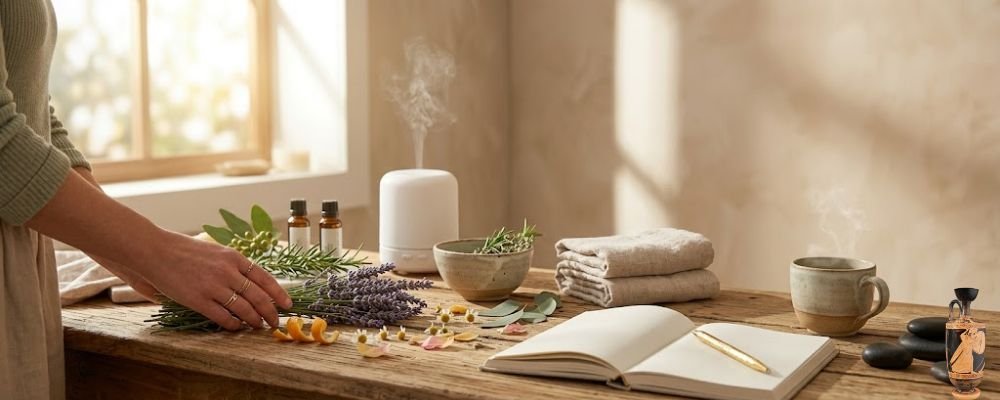
In recent years, natural wellness has become more than just a lifestyle trend. Consumers around the world are becoming increasingly conscious about the products they use on their skin, hair, and in their daily routines. From clean beauty products and aromatherapy to plant-based skincare and wellness rituals, people are moving toward more natural alternatives that feel safer, gentler, and closer to nature.
Among these natural products, pure essential oils have gained enormous popularity.
Today, essential oils are widely used in homes, spas, cosmetic products, haircare formulations, massage therapies, wellness centers, and even luxury personal care collections. Their growing demand is strongly connected to the global shift toward natural living and ingredient transparency.
According to industry research, the global essential oils market continues to grow rapidly due to increasing consumer interest in wellness, aromatherapy, personal care, and natural beauty products. (grandviewresearch.com)
But what exactly makes pure natural essential oils so valuable?
The answer lies in their versatility, botanical origin, aromatic experience, and growing role in modern wellness and cosmetic industries.
Understanding Pure Natural Essential Oils
Pure essential oils are highly concentrated botanical extracts obtained from different parts of plants, including:
- Flowers
- Leaves
- Roots
- Bark
- Seeds
- Herbs
- Fruits
These oils are usually extracted through methods such as steam distillation or cold pressing to preserve the natural aromatic compounds present in the plant.
Unlike synthetic fragrance oils, pure essential oils are derived directly from nature without artificial fragrance chemicals.
Each oil carries its own unique aroma profile and natural characteristics, which is why different oils are used for different applications across wellness, skincare, haircare, aromatherapy, and cosmetic manufacturing.
Why Consumers Are Choosing Natural Essential Oils
Modern consumers are paying closer attention to ingredient quality than ever before.
People today want products that:
- Feel natural
- Contain plant-based ingredients
- Avoid unnecessary synthetic chemicals
- Support wellness-focused lifestyles
- Provide authentic sensory experiences
This shift has increased the popularity of pure essential oils across multiple industries.
From diffusers and spa products to shampoos and facial oils, essential oils are now deeply integrated into modern self-care routines.
Benefits of Pure Natural Essential Oils
1. Natural Aromatic Experience
One of the biggest reasons people use essential oils is their rich and authentic aroma.
Pure essential oils provide a natural fragrance experience that synthetic alternatives often struggle to replicate. Their botanical scent profiles help create relaxing, refreshing, uplifting, or calming environments depending on the oil being used.
Popular examples include:
- Lavender Oil for calming environments
- Peppermint Oil for freshness
- Lemon Oil for clean citrus notes
- Eucalyptus Oil for spa-like experiences
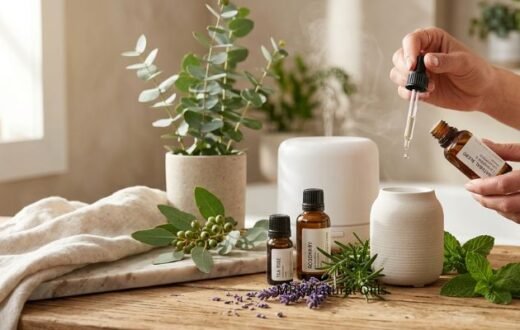
Today, many consumers use essential oils in:
- Diffusers
- Candles
- Massage oils
- Home fragrance products
- Wellness spaces
- Yoga studios
The emotional connection created by natural aromas plays an important role in their growing demand.
2. Widely Used in Skincare Products
Pure essential oils are commonly used in skincare formulations because of their botanical origin and luxurious sensory appeal.
Many cosmetic brands now incorporate essential oils into:
- Facial serums
- Creams
- Body oils
- Cleansers
- Bath products
- Spa formulations
Some commonly used skincare oils include:
- Tea Tree Oil
- Frankincense Oil
- Lavender Oil
- Geranium Oil
- Lemon Oil
The clean beauty movement in the US market has further accelerated demand for naturally derived cosmetic ingredients. (grandviewresearch.com)
Consumers increasingly prefer products formulated with recognizable plant-based ingredients.
3. Growing Popularity in Haircare
Haircare is another major area where essential oils are becoming highly popular.
Many haircare brands use oils such as:
- Rosemary Oil
- Peppermint Oil
- Tea Tree Oil
- Lavender Oil
These oils are commonly included in:
- Hair oils
- Shampoos
- Scalp treatments
- Hair masks
- Serums
Today’s consumers are increasingly looking for natural haircare products that align with wellness-focused beauty routines.
This trend has significantly increased the use of essential oils in cosmetic manufacturing worldwide.
4. Supports Wellness and Relaxation Rituals
Modern lifestyles often involve long working hours, digital fatigue, stress, and irregular routines.
As a result, people are actively creating wellness rituals at home.
Essential oils are now commonly used during:
- Meditation
- Yoga sessions
- Spa treatments
- Massage therapies
- Evening relaxation routines
- Aromatherapy sessions
The calming sensory experience associated with essential oils has contributed greatly to their worldwide popularity.
5. Preferred in Clean Beauty Products
The clean beauty industry continues growing rapidly across global markets.
Consumers today are carefully reading ingredient labels and choosing products with simpler, more transparent formulations.
Pure essential oils align perfectly with this movement because they are:
- Plant-derived
- Aromatic
- Naturally sourced
- Versatile in formulation
Many premium skincare and cosmetic brands now highlight essential oils as key ingredients in their products.
6. Used Across Multiple Industries
One of the biggest advantages of essential oils is their versatility.
Today, they are widely used across:
- Cosmetics
- Skincare
- Haircare
- Aromatherapy
- Spa products
- Home fragrance
- Candles
- Soaps
- Wellness products
- Luxury hospitality products
Their broad applications continue driving strong global market demand.
7. Growing Demand for Natural Ingredients
The beauty and wellness industry is moving steadily toward natural ingredient sourcing.
Consumers increasingly value:
- Sustainability
- Ingredient transparency
- Botanical sourcing
- Ethical manufacturing
- Eco-conscious production
This shift has encouraged cosmetic manufacturers and wellness brands to invest more heavily in high-quality essential oils.
According to industry reports, demand for natural and plant-based ingredients continues to influence product innovation across personal care sectors. (grandviewresearch.com)
Why Purity Matters in Essential Oils
As demand grows, the market has also seen an increase in synthetic or diluted oils.
This makes purity extremely important.
High-quality essential oils are typically supported by:
- GC/MS testing reports
- Certificate of Analysis (COA)
- Proper labeling
- Batch traceability
- Authentic sourcing documentation
Pure oils generally provide:
- Better aroma quality
- Greater consistency
- Improved formulation performance
- Higher customer trust
For cosmetic brands and wellness companies, sourcing authentic oils has become essential for maintaining product quality and reputation.
How to Identify High-Quality Essential Oils
Whether for personal use or manufacturing, buyers should always evaluate quality carefully.
Important factors to check include:
- Supplier transparency
- Purity testing
- Extraction methods
- Storage standards
- Packaging quality
- Sourcing information
- Certifications
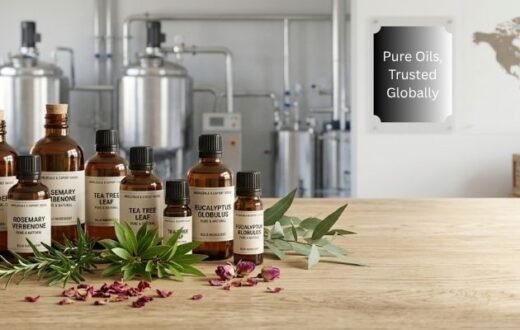
Professional suppliers usually store oils in:
- Amber glass bottles
- Food-grade aluminum containers
- Controlled storage environments
This helps preserve aroma, freshness, and stability.
Most Popular Essential Oils Today
Some of the most in-demand essential oils in the global market include:
| Essential Oil | Common Applications |
|---|---|
| Lavender Oil | Relaxation, skincare, aromatherapy |
| Rosemary Oil | Haircare, scalp products |
| Tea Tree Oil | Skincare, cleansing products |
| Peppermint Oil | Refreshing wellness products |
| Lemon Oil | Fragrance, skincare |
| Eucalyptus Oil | Spa and wellness products |
| Frankincense Oil | Premium skincare |
These oils continue gaining popularity due to increasing consumer preference for natural wellness products.
The Future of Natural Essential Oils
The essential oils industry is expected to continue growing strongly in the coming years.
Several major trends are driving this growth:
- Clean beauty movement
- Natural wellness products
- Aromatherapy demand
- Sustainable sourcing
- Organic skincare
- Plant-based cosmetics
Consumers today want products that feel authentic, natural, and responsibly sourced.
As a result, essential oils are becoming increasingly important in modern product development across wellness and beauty industries.
FAQs
What are pure natural essential oils?
Pure natural essential oils are concentrated botanical extracts obtained from plants through methods such as steam distillation or cold pressing without synthetic fragrance additives.
Why are essential oils popular today?
Essential oils are widely used in wellness, aromatherapy, skincare, haircare, and clean beauty products because consumers increasingly prefer natural and plant-based ingredients.
Which industries use essential oils?
Essential oils are commonly used in cosmetics, skincare, haircare, spa products, aromatherapy, soaps, candles, home fragrance, and wellness products.
Why is purity important in essential oils?
Pure oils provide better aroma quality, consistency, and formulation performance. Authentic oils also help brands maintain customer trust and product quality.
How can buyers identify quality essential oils?
Buyers should check for:
- GC/MS testing reports
- Certificate of Analysis (COA)
- Transparent sourcing
- Proper packaging
- Supplier reputation
Which essential oils are most commonly used?
Lavender, Rosemary, Tea Tree, Peppermint, Lemon, Eucalyptus, and Frankincense oils are among the most popular essential oils globally.
Are essential oils used in cosmetic products?
Yes. Essential oils are widely used in skincare, haircare, spa products, soaps, lotions, shampoos, and wellness formulations because of their natural aroma and plant-based appeal.